


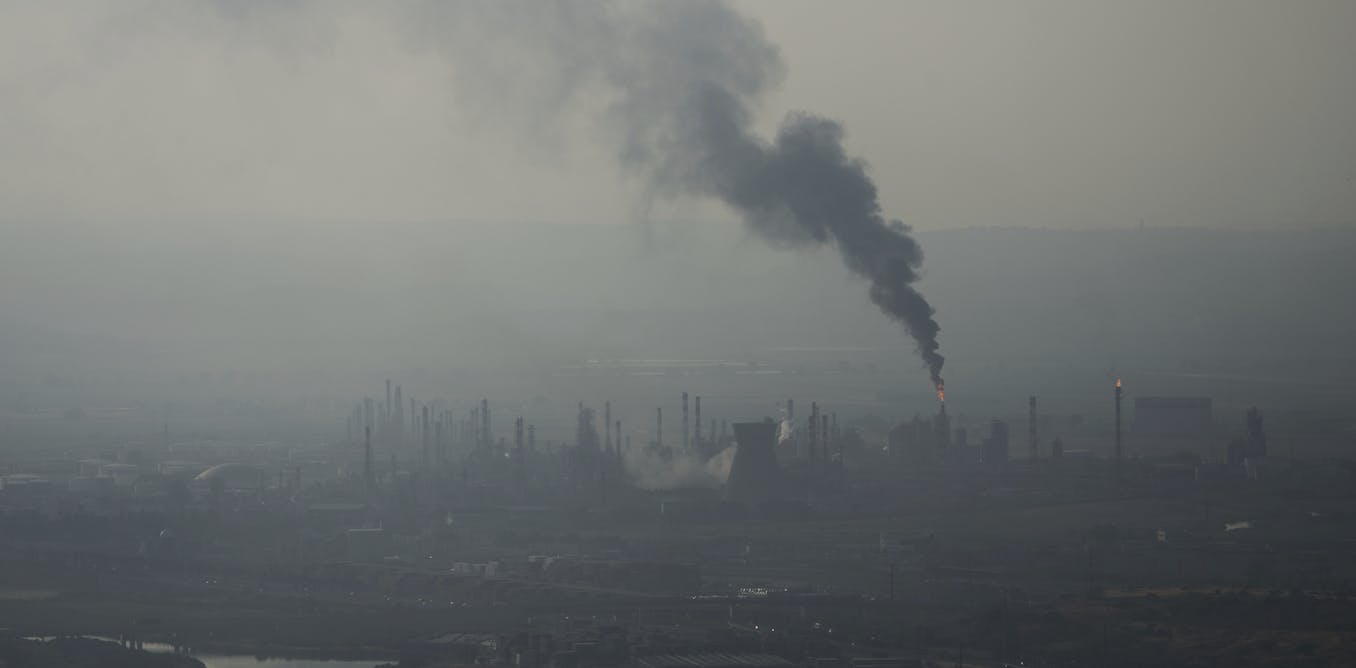
Escalating Conflict and Its Economic Ramifications
The ongoing conflict in the Middle East has entered a new phase of escalation, raising significant concerns about its implications for the global economy, particularly the United States. As tensions rise, markets are reflecting increased volatility, with energy prices surging and investor sentiment wavering. The ramifications of this conflict are not just geopolitical; they pose a direct threat to an already fragile U.S. economy grappling with inflation and slowing growth.
Energy Prices Skyrocket Amidst Geopolitical Tensions
One of the most immediate impacts of the war is the sharp increase in energy costs. Crude oil prices have surged, with benchmarks like Brent and West Texas Intermediate reaching levels not seen since the early days of the pandemic. Analysts attribute this spike to fears of supply disruptions that could arise from the conflict, especially if key oil-producing nations in the region are drawn into the fray. As energy prices climb, consumers and businesses alike face higher costs, which can further exacerbate inflationary pressures across the economy.
Inflationary Pressures Compounded by Energy Costs
The U.S. economy has been navigating a complex landscape of inflation, which has remained stubbornly high despite the Federal Reserve's aggressive interest rate hikes aimed at cooling demand. The latest surge in energy prices is likely to add fuel to the inflation fire, making it more challenging for policymakers to achieve their dual mandate of stable prices and maximum employment. Higher energy costs typically translate into increased transportation and production expenses, which businesses may pass on to consumers, perpetuating a cycle of inflation.
Market Reactions and Investor Sentiment
Financial markets have reacted to the heightened uncertainty with increased volatility. Stock indices have experienced pronounced fluctuations, reflecting investor anxiety over the economic outlook. Sectors such as energy and defense have seen gains, while consumer discretionary and technology stocks have faced selling pressure as fears of a slowdown take hold. Investors are closely monitoring developments in the Middle East, as any escalation could lead to broader economic repercussions and further instability in markets.
Potential Impacts on Consumer Spending
Consumer spending, a critical driver of the U.S. economy, may also take a hit as households face rising costs. With energy prices on the rise, consumers may find themselves reallocating budgets to accommodate higher utility bills and fuel costs, leading to reduced discretionary spending. This shift could have a cascading effect on various sectors, particularly those heavily reliant on consumer spending, such as retail and hospitality. Economists are watching consumer sentiment closely, as any dip could signal a slowdown in economic activity.
Supply Chain Challenges and Global Trade
The conflict also poses risks to global supply chains, which have yet to fully recover from the disruptions caused by the COVID-19 pandemic. Increased shipping costs and potential blockades could hinder the movement of goods, further straining supply chains already under pressure. Companies may face delays in production, impacting their ability to meet consumer demand. As the U.S. economy is intricately linked with global trade, these disruptions could have