


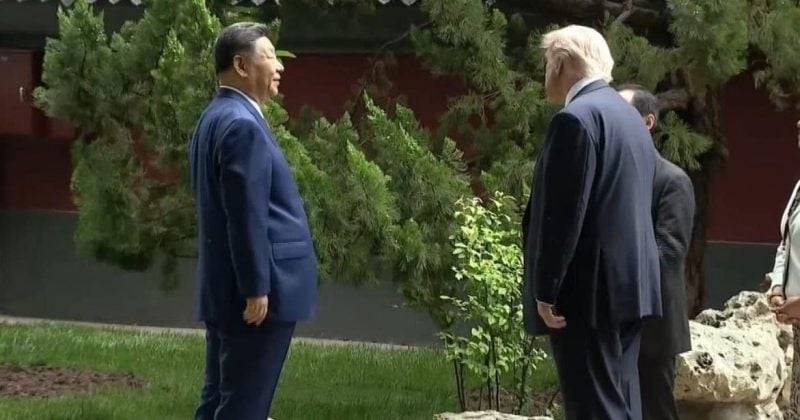
Overview of the Summit
The recent summit in Beijing between U.S. President Donald Trump and Chinese President Xi Jinping was marked by notable absences of significant agreements. As world leaders convened to discuss pressing economic issues, the lack of breakthroughs has contributed to a climate of uncertainty that could have far-reaching implications for global markets. This meeting, which was anticipated as a potential turning point in U.S.-China relations, instead left many stakeholders questioning the future trajectory of economic cooperation between the two largest economies in the world.
Impact on Global Tech Supply Chains
One of the most immediate consequences of the stalled discussions is the heightened uncertainty surrounding global technology supply chains. The tech industry, heavily reliant on both American and Chinese manufacturing and innovation, is now bracing for potential disruptions. Companies that depend on a seamless flow of components and products between the two nations may need to reevaluate their strategies. The absence of a clear path forward could lead to increased costs, delays, and even a shift in production locations as firms seek to mitigate risks associated with geopolitical tensions.
Geopolitical Tensions Rise
The failure to achieve substantial outcomes at the summit has also intensified existing geopolitical tensions. The United States and China have been embroiled in a trade war for several years, marked by tariffs and retaliatory measures that have strained relations. The lack of progress at this summit signals a potential escalation of these tensions, as both countries may adopt more aggressive stances in their economic policies. Analysts are now closely watching for any signs of further conflict that could destabilize not just bilateral relations but also global economic stability.
Market Reactions and Investor Sentiment
Financial markets have reacted cautiously to the news of the summit's inconclusive outcome. Investors, already jittery from previous trade disputes, are now faced with an environment of heightened volatility. Stock indices in both the U.S. and China have experienced fluctuations, reflecting the uncertainty surrounding future trade policies. The tech sector, in particular, has seen a mixed response, with some companies experiencing declines as fears of supply chain disruptions mount. Investor sentiment is increasingly wary, with many opting for safer assets as they await further developments.
Potential Long-Term Consequences for U.S.-China Relations
The implications of the summit's lack of breakthroughs extend beyond immediate market reactions. In the long term, the ongoing stalemate between the U.S. and China could reshape the global economic landscape. Analysts suggest that without constructive dialogue and cooperation, both nations may increasingly turn inward, focusing on domestic priorities at the expense of international collaboration. This withdrawal could stifle innovation and economic growth, particularly in sectors that thrive on cross-border partnerships.
Reassessing Trade Agreements and Tariffs
As the world observes the aftermath of this summit, attention will inevitably shift to existing trade agreements and tariffs currently in place. Both countries have implemented various tariffs that have had significant impacts on trade flows and pricing structures. The absence of a resolution at the summit raises questions about the future of these tariffs and whether either side might consider adjustments in response to ongoing economic pressures. Stakeholders are left to ponder whether a more conciliatory approach will emerge or if the current trajectory will persist.
Opportunities Amidst Uncertainty
Despite the prevailing uncertainty, some analysts argue that there may be opportunities for businesses to adapt and thrive. Companies that can pivot their strategies to navigate the complexities of U.S.-China relations may find new avenues for growth. This could involve diversifying supply chains, investing in alternative markets, or leveraging technology to enhance efficiency. Firms that proactively address the challenges posed by geopolitical tensions may ultimately emerge stronger in the long run.
Global Economic Implications
The ramifications of the summit extend beyond the confines of U.S.-China relations, with potential impacts felt across the global economy. Countries that rely on trade with either nation may experience shifts in their economic outlooks, particularly those heavily invested in technology and manufacturing. The interconnectedness of the global economy means that disruptions in one region can have ripple effects worldwide, influencing everything from commodity prices to consumer confidence.
Future Dialogues and Potential Resolutions
Looking ahead, the necessity for continued dialogue between the U.S. and China cannot be overstated. As both nations grapple with the implications of their economic policies, the importance of finding common ground becomes increasingly critical. Future summits may need to focus on specific areas of cooperation, such as technology standards or climate initiatives, to foster a more collaborative environment. The stakes are high, and the world will be watching closely to see if both leaders can find a path toward constructive engagement.
Conclusion: A Call for Strategic Adaptation
In conclusion, the departure of President Trump from the Beijing summit without significant breakthroughs underscores a challenging chapter in U.S.-China relations. As economic uncertainty looms and geopolitical tensions mount, the impact on global tech supply chains and market sentiment remains a primary concern. Businesses and investors must navigate this complex landscape with strategic foresight, adapting to the evolving dynamics of international trade. The future of U.S.-China relations hangs in the balance, and the need for constructive dialogue is more pressing than ever.