


The Resurgence of Punch Cards in the Digital Age
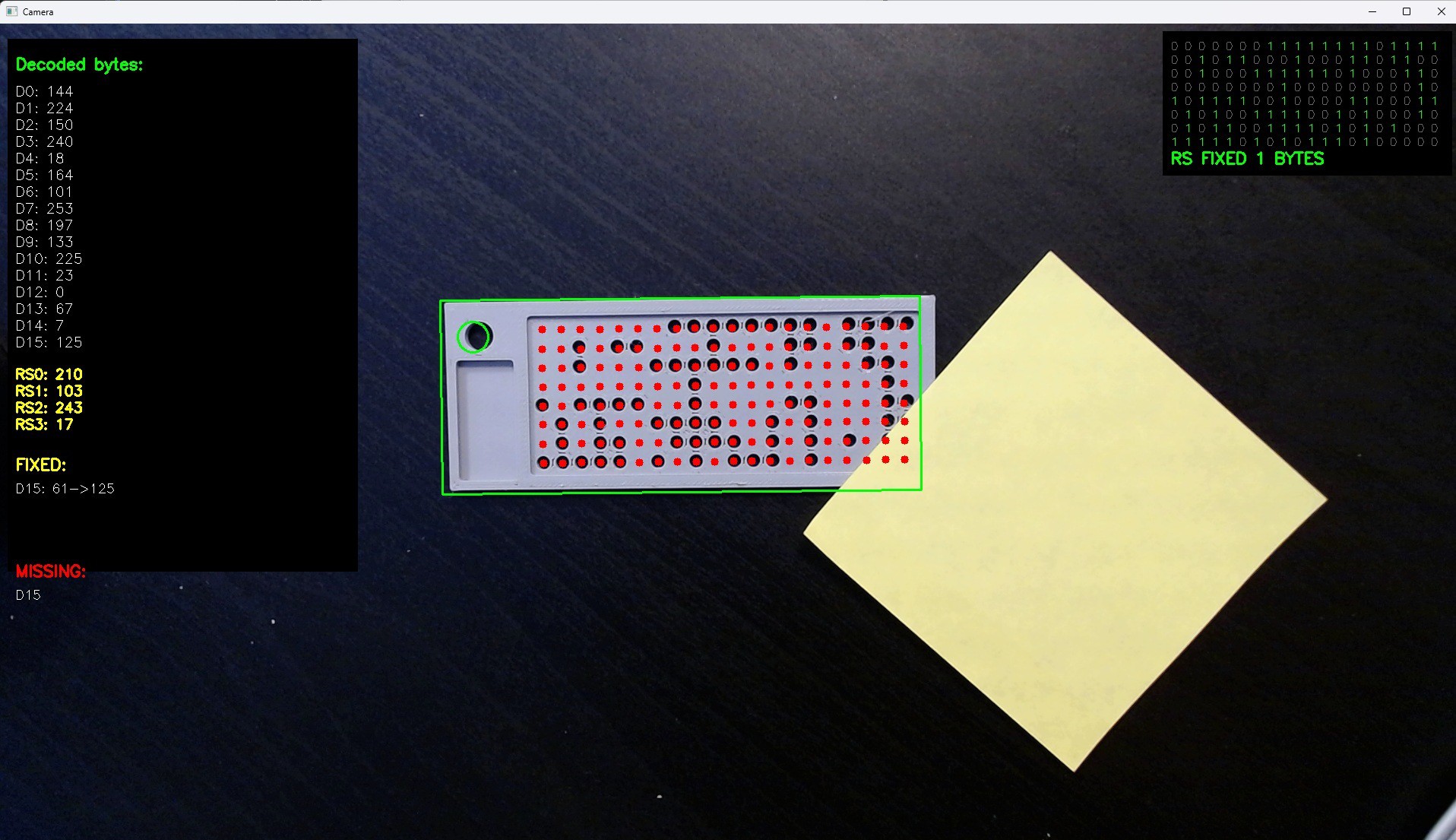
In an era dominated by high-capacity digital storage solutions, the humble punch card is experiencing a surprising revival. Once a staple of early computing, punch cards, known for their simplicity and durability, are being reimagined through innovative 3D printing technologies and advanced reading capabilities powered by OpenCV, an open-source computer vision library. This evolution could signify a niche yet meaningful resurgence in how data is stored and retrieved.
Understanding the Mechanics of 21st Century Punch Cards
Modern punch cards are designed to leverage the advantages of contemporary manufacturing techniques. Utilizing 3D printing allows for intricate designs and customized features that traditional punch card manufacturing could not achieve. Each card can be produced with precision, enabling the incorporation of unique identifiers and data storage patterns that are both durable and efficient. The integration with OpenCV enhances the functionality of these punch cards by enabling automatic reading and processing of the data encoded within them.
The Advantages of Low-Density Storage Solutions
While punch cards may have the lowest data density compared to contemporary storage media, they offer unique benefits that are increasingly relevant in certain niches. For instance, their physical nature makes them inherently resistant to electromagnetic interference, a common vulnerability for electronic storage devices. Additionally, punch cards provide a tangible means of data storage that can be visually inspected and manually processed, offering an advantage in environments where digital systems may be compromised or impractical.
3D Printing: A Game Changer for Punch Card Production
The advent of 3D printing technology has transformed the landscape of manufacturing, allowing for rapid prototyping and low-cost production of complex structures. In the context of punch cards, 3D printing enables the creation of customized cards tailored for specific applications, such as educational tools, archival storage, or even art projects. This flexibility caters to a diverse range of users, from hobbyists to educational institutions, who seek innovative ways to incorporate data storage into their workflows.
OpenCV: Enhancing Data Retrieval Processes
OpenCV, an open-source computer vision library, plays a pivotal role in the modern punch card ecosystem. By utilizing machine learning algorithms and image processing techniques, OpenCV can efficiently read the patterns punched into the cards. This capability not only streamlines the data retrieval process but also minimizes the potential for human error, a crucial factor in environments where data accuracy is paramount.
Potential Applications Across Industries
The applications for 3D printed punch cards are broad and varied. In education, they can be used as teaching tools that facilitate hands-on learning experiences in programming and data management. In the arts, they can serve as unique canvases for creative expression, merging technology with artistic endeavors. Furthermore, industries such as logistics and archiving can leverage punch cards for physical inventory management systems, where simplicity and reliability are essential.
Challenges in the Modern Landscape
Despite their advantages, the adoption of punch cards in contemporary settings faces several challenges. The primary hurdle is the entrenched dominance of digital storage solutions, which offer vastly superior data density and retrieval speeds. Furthermore, the development and maintenance of the necessary infrastructure to support punch card systems, including the 3D printing technology and OpenCV capabilities, require investment and expertise that may not be readily available to all organizations.
Market Dynamics and Future Prospects
The market for niche data storage solutions is often influenced by broader economic trends, including the push for sustainability and the desire for tangible, physical products in an increasingly digital world. As organizations seek to diversify their data storage methods and reduce reliance on electronic systems, the notion of using punch cards may gain traction. Moreover, the growing interest in 3D printing technology across various sectors could foster a supportive ecosystem for the development of these innovative punch card solutions.
The Role of Innovators and Entrepreneurs
Entrepreneurs and innovators in the tech space are poised to play a crucial role in the popularization of 3D printed punch cards. By creating user-friendly platforms and tools that simplify the design and implementation of punch card systems, these individuals can attract a broader audience. Additionally, partnerships with educational institutions and industry leaders could facilitate the integration of this technology into curricula and professional practices, driving adoption and further innovation.
Conclusion: A Niche Yet Meaningful Solution
While 21st-century punch cards may not rival the data density of modern digital storage solutions, their unique advantages and the innovative integration of 3D printing and OpenCV technology position them as a niche yet meaningful option in the data storage landscape. As organizations explore diverse approaches to data management, the resurgence of punch cards could offer a refreshing alternative that combines the best of both physical and digital worlds. The coming years will be critical in determining whether this innovation can carve out a sustainable place in the ever-evolving realm of data storage.