


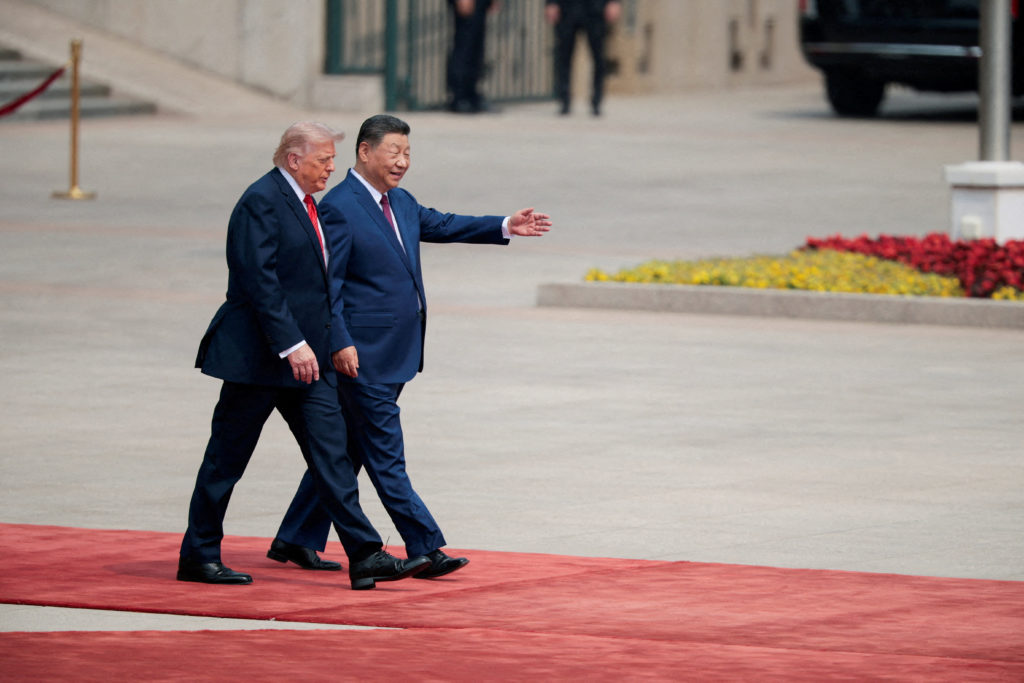
Trump's Diplomatic Return Amid Economic Concerns
President Donald Trump's recent return from a highly publicized state visit to China marks a significant juxtaposition between diplomatic triumph and domestic economic challenges. The lavish ceremonies and grandiose displays in Beijing starkly contrast with the mounting pressure he faces back home, particularly regarding the escalating inflation rate that has become a focal point of his administration.
Understanding the Inflation Landscape
As Trump stepped off Air Force One, the U.S. economy was grappling with a surge in inflation that has been both persistent and concerning. The Consumer Price Index (CPI) has shown an upward trajectory, raising fears among economists and policymakers that rising costs could stifle consumer spending and economic growth. With the inflation rate hovering around levels not seen in decades, the implications for American households and businesses are profound.
Key Drivers of Inflation
Several factors contribute to the current inflationary environment. Supply chain disruptions, exacerbated by the ongoing effects of the COVID-19 pandemic, have led to shortages in various sectors, from semiconductors to consumer goods. Additionally, rising energy prices—propelled by geopolitical tensions and fluctuating oil markets—have further compounded the situation. The combination of these elements has resulted in increased costs for manufacturers, which are often passed down to consumers.
Impact on Consumer Behavior
As inflation rises, consumer behavior inevitably shifts. Households are now facing higher prices for essentials such as food, gas, and housing. This has led many to rethink their spending habits, prioritizing necessities over discretionary purchases. Retailers are beginning to report a slowdown in sales growth, indicating that consumers may be tightening their belts in response to the financial strain of inflation.
Federal Reserve's Role in Containing Inflation
The Federal Reserve plays a critical role in addressing inflationary pressures. In light of the current economic climate, the central bank has been closely monitoring inflation indicators and is expected to adjust monetary policy accordingly. Analysts speculate that interest rate hikes may be on the horizon as the Fed seeks to curb inflation without derailing economic recovery. Such measures could have significant implications for borrowing costs, investment strategies, and overall market sentiment.
Political Ramifications for the Trump Administration
Trump's administration is acutely aware of the political ramifications associated with rising inflation. Historically, high inflation can lead to voter dissatisfaction and shift public opinion against incumbents. With mid-term elections approaching, the administration faces mounting pressure to demonstrate effective leadership in combating economic challenges. Trump's ability to articulate a clear strategy for mitigating inflation will be crucial in maintaining support among constituents and key stakeholders.
Billionaires and Corporate Leaders Weigh In
The business community is also feeling the impact of inflation, with many corporate leaders expressing concern over rising costs. Notable billionaires have begun to voice their opinions on the situation, highlighting the potential for inflation to disrupt growth trajectories and investment plans. Their insights may carry weight with policymakers, as the business sector often has a direct line to economic decision-making processes.
Market Reactions to Economic Indicators
The stock market has shown volatility in response to economic indicators related to inflation. Investors are keenly aware that rising inflation can lead to tighter monetary policy, which may dampen market performance. As a result, stock prices have fluctuated, with sectors such as technology and consumer discretionary facing heightened scrutiny. Market analysts continue to assess how inflation trends will influence investment strategies moving forward.
Global Economic Considerations
Trump's return from China also brings into focus the interconnectedness of global economies. As inflation rises in the U.S., concerns about its impact on international trade and relations come to the forefront. The Chinese economy, while experiencing its own challenges, remains a critical player in the global supply chain. Trade policies and tariffs discussed during Trump's state visit may play a role in shaping how inflation is addressed both domestically and internationally.
The Path Forward: Policy Implications
Addressing inflation will require a multifaceted approach from Trump and his economic team. Policymakers may need to consider a combination of fiscal stimulus measures and regulatory adjustments to alleviate pressure on consumers and businesses alike. Additionally, engaging with stakeholders across various sectors will be essential in crafting effective solutions that can garner bipartisan support.
Conclusion: Balancing Diplomacy with Domestic Challenges
As President Trump navigates the challenges of returning from a successful diplomatic mission in China, he must now pivot to address the pressing economic concerns at home. The rising inflation rate poses a significant test for his administration, one that could have far-reaching implications for both the economy and political landscape. Moving forward, the ability to strike a balance between fostering international relations and managing domestic economic issues will be crucial in shaping Trump's legacy and the future of the U.S. economy.