
Mass Mobilization: A Look at the "Unite the Kingdom" Rally
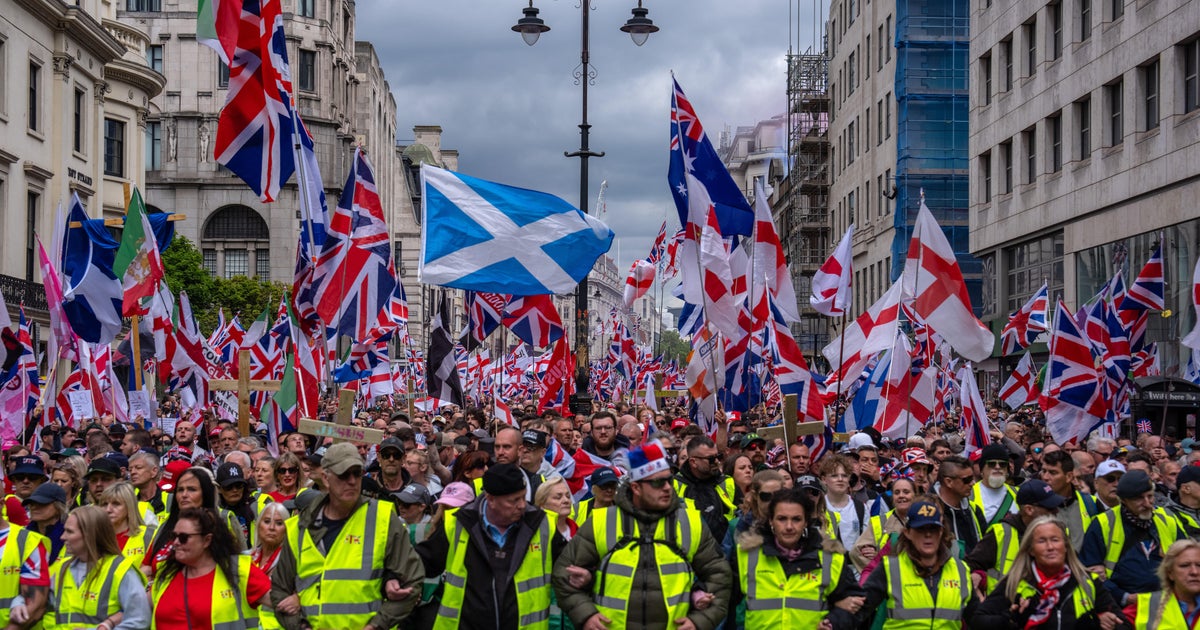
The recent "Unite the Kingdom" rally held in London, organized by controversial figure Tommy Robinson, has drawn significant attention, both for its size and its implications for the socio-political landscape in the United Kingdom. With police estimates suggesting that around 60,000 people attended, this event marks one of the largest right-wing mobilizations in Britain in recent years, raising questions about the potential impact on markets and business sentiment.
Financial Implications of Political Mobilization
Large-scale rallies such as the "Unite the Kingdom" event can have varied financial implications. The immediate effects may be felt in local economies, particularly in areas surrounding the rally. Increased foot traffic can boost sales for local businesses, from restaurants to retail shops. However, the potential for political unrest and public disorder can also deter investment and affect market stability.
Political rallies often serve as barometers for public sentiment, influencing the behavior of investors and businesses alike. A highly visible mobilization can signal rising tensions or shifts in public opinion that may prompt companies to reassess their strategies, particularly those operating in sectors sensitive to political developments, such as retail, hospitality, and tourism.
Right-Wing Movements and Their Economic Impact
The growing prominence of right-wing movements in the UK and across Europe has been accompanied by a range of economic implications. This resurgence can alter consumer behavior, as individuals rallying around nationalist sentiments may prefer to support local businesses over international brands. As seen in other contexts, such movements can also lead to calls for policy changes that might affect taxation, trade agreements, and labor laws.
Moreover, the presence of a significant right-wing faction can impact the broader political landscape, influencing the policies of mainstream parties. This shift can result in a more business-friendly environment or, conversely, lead to increased regulatory scrutiny depending on the prevailing political climate. Investors will be closely watching how these dynamics unfold in the wake of high-profile events like the "Unite the Kingdom" rally.
Market Reactions and Investor Sentiment
In the aftermath of such large-scale mobilizations, market reactions can vary. Investors often seek stability and predictability, and significant political events can introduce volatility. The rally organized by Robinson may lead to heightened scrutiny of government policies related to immigration and public safety, which could influence market sectors such as construction, real estate, and financial services.
For instance, if the rally prompts a shift in immigration policy, this could impact labor markets, particularly in sectors reliant on migrant workers. Such changes can affect productivity and operational costs for businesses, prompting investors to recalibrate their expectations. Furthermore, any associated rise in social unrest could lead to increased insurance costs for businesses, impacting profitability.
Public Sentiment and Brand Responses
Brands and corporations often find themselves navigating a complex landscape when political sentiments shift. The "Unite the Kingdom" rally may force companies to reassess their branding and marketing strategies, particularly those that emphasize diversity and inclusivity. Public backlash against perceived corporate silence or misalignment with prevailing sentiments can lead to reputational risks.
Companies may choose to engage in corporate social responsibility initiatives aimed at fostering community relations and addressing the concerns raised by such movements. Conversely, some brands might adopt a more cautious approach, avoiding public statements on divisive issues to mitigate backlash. This balancing act can significantly influence consumer loyalty and brand equity.
Long-Term Trends and the Future of Political Mobilization
The "Unite the Kingdom" rally may be a reflection of broader trends in political mobilization, particularly in the context of rising nationalism and populism. As economic inequalities and social issues persist, such movements may continue to gain traction, prompting further mobilizations that can impact the business landscape.
Long-term, the implications of these trends could lead to shifts in consumer preferences, influencing everything from product offerings to corporate governance. Industries that can adapt to changing public sentiments will likely fare better in the evolving landscape, while those that fail to engage meaningfully may face challenges.
Conclusion: Navigating a Changing Landscape
The "Unite the Kingdom" rally serves as a reminder of the intertwined nature of politics and business. As public sentiment shifts, companies must remain agile, adapting their strategies to navigate the complexities of a changing political environment. Investors, too, will need to keep a close eye on these developments, as the ramifications of political mobilization can reverberate across markets and industries.
Ultimately, understanding the economic implications of political movements is crucial for stakeholders across the spectrum—from local businesses to multinational corporations. As the UK continues to grapple with issues of identity and belonging, the outcomes of such rallies may shape the economic landscape in profound and lasting ways.