


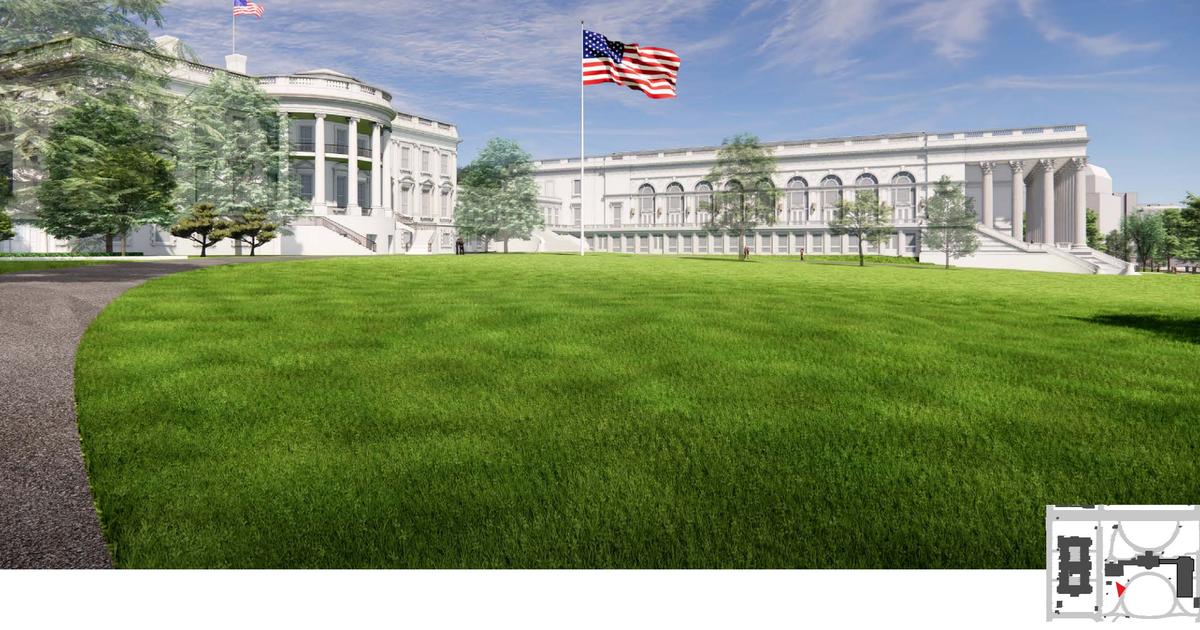
Preservation Group's Legal Challenge to White House Ballroom Construction
A preservation group is renewing its legal efforts to halt the construction of a large ballroom on the White House grounds, a project that has garnered significant attention due to its association with former President Donald Trump. The group argues that the development threatens the historical integrity of the site, which is not only a symbol of American democracy but also a valuable cultural heritage asset. This legal maneuver comes amid ongoing debates about the balance between modernization and preservation in historic locations.
Concerns Over Historical Integrity
The preservation group, which has not yet been named in this latest filing, contends that the proposed ballroom would alter the landscape of the White House grounds in ways that could undermine its historical significance. The group has previously cited the National Historic Preservation Act, asserting that the act mandates careful consideration of any changes to federally recognized historic sites. Their argument hinges on the belief that the construction would disrupt the visual and cultural narrative that the White House represents.
Impact on the White House's Cultural Landscape
Located at the heart of the nation’s capital, the White House is not only the residence of the President but also a symbol of the United States' political history. The proposed ballroom is part of a broader initiative aimed at enhancing the venue for state functions and events. However, critics argue that such expansions could dilute the historical essence of the site. They worry that modern additions may overshadow the architectural and historical features that have defined the White House for centuries.
Trump's Vision vs. Preservation Efforts
Former President Trump's administration had championed the ballroom project as part of a wider effort to modernize the White House and make it more functional for high-profile events. Supporters of the project argue that the ballroom would enhance the venue's utility while maintaining its grandeur. However, the preservation group’s renewed legal action highlights the ongoing tension between progressive development and the preservation of historical sites, a conflict that often emerges in discussions of public architecture.
Legal Precedents and Implications
This latest legal challenge is significant not just for the White House but also for future projects involving historical sites across the country. The outcome of this case could set important precedents regarding the rights of preservation groups to challenge government projects. If the court rules in favor of the preservation group, it could embolden similar organizations to take action against other developments they perceive as threats to historical integrity.
Financial Considerations of the Ballroom Project
The ballroom construction is expected to involve substantial financial outlays, with estimates running into millions of dollars. Supporters argue that the investment will ultimately pay dividends by attracting more high-profile events and boosting tourism to the White House. However, opponents question whether such expenditures are justified, particularly in an era where public funds are often scrutinized for their efficiency and effectiveness. The financial implications of halting or delaying the project could also affect contractors and workers engaged in the construction, further complicating the situation.
Public Opinion and Stakeholder Reactions