


Introduction to a Unique Collaboration
In a groundbreaking initiative, students from the Massachusetts Institute of Technology (MIT) Department of Urban Studies and Planning have embarked on a practicum aimed at fostering economic development in Vinnytsia, Ukraine. This collaboration seeks to bridge the gap between academia and real-world challenges faced by city leaders in the wake of recent geopolitical upheavals. By connecting students with local leaders, the practicum aims to devise innovative strategies to enhance the economic resilience and growth of Vinnytsia.
Understanding the Economic Landscape of Vinnytsia
Vinnytsia, located in west-central Ukraine, has a rich history and a vibrant culture. However, like many cities in the region, it faces significant economic challenges exacerbated by the ongoing conflict and instability. The practicum provides a platform for MIT students to engage directly with the city’s leadership, offering a fresh perspective on local economic conditions and development strategies. Through a series of workshops and discussions, students analyze the existing economic landscape, identify key challenges, and propose tailored solutions that leverage local resources and capabilities.
Engagement with Innovation Ecosystems
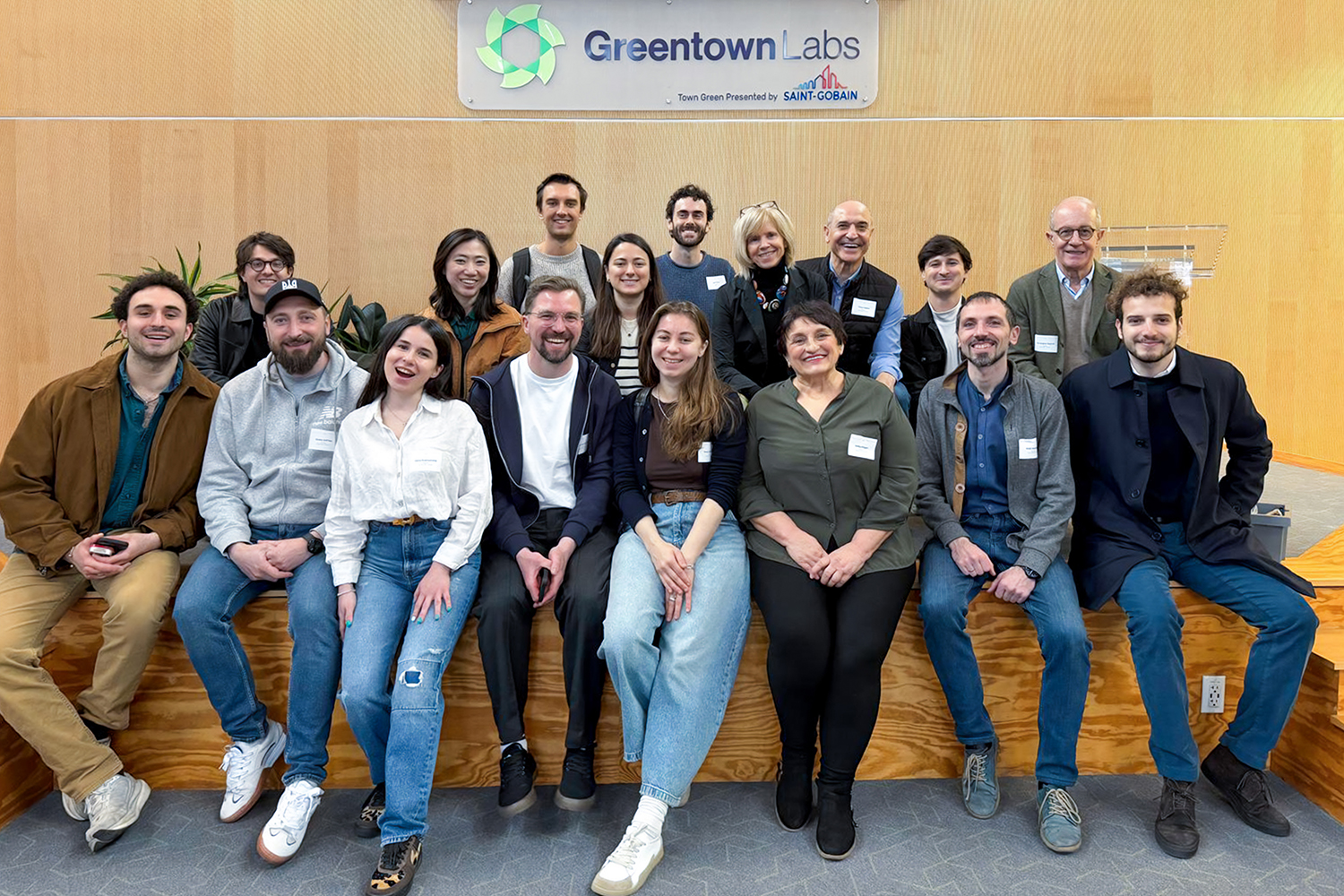
One of the cornerstones of the practicum is a series of visits to prominent innovation hubs, including Greentown Labs, the Cambridge Innovation Center, and MassChallenge. These organizations exemplify successful ecosystems that foster entrepreneurship and technological advancement. By immersing themselves in these environments, MIT students gain insights into best practices in economic development and innovation management. This exposure equips them with the tools to help Vinnytsia cultivate its own ecosystem, aimed at attracting investment and nurturing local startups.
Collaborative Workshops and Knowledge Transfer
The practicum features a series of collaborative workshops where students work alongside Vinnytsia’s city leaders to develop actionable economic strategies. These workshops facilitate knowledge transfer, allowing students to share insights from their academic backgrounds while also learning from the practical experiences of local leaders. Topics explored include urban planning, sustainable development, and the integration of technology in public services. This reciprocal learning environment fosters a sense of partnership and shared purpose among participants.
Focus on Sustainable Development
Sustainability has emerged as a critical theme throughout the practicum. As cities worldwide grapple with the effects of climate change and resource depletion, Vinnytsia is no exception. Students are encouraged to incorporate sustainable practices into their proposed strategies, ensuring that economic development does not come at the expense of environmental integrity. By exploring renewable energy options and sustainable urban planning principles, the practicum aims to position Vinnytsia as a model for sustainable urban growth in Ukraine.
Building Resilience through Economic Diversification
Economic diversification is another essential component of the practicum. Vinnytsia has traditionally relied on specific industries, making it vulnerable to market fluctuations and external shocks. The students work with local leaders to identify opportunities for diversification, emphasizing the importance of fostering a varied economic base. By promoting sectors such as technology, agriculture, and tourism, the practicum aims to enhance the city’s resilience and adaptability in an increasingly uncertain global economy.
The Role of Technology in Economic Development
Technology is poised to play a transformative role in Vinnytsia’s economic future. The practicum emphasizes the importance of integrating technology into various sectors, from healthcare to education and public administration. Students explore how digital platforms can enhance service delivery, improve citizen engagement, and streamline administrative processes. By leveraging technology, Vinnytsia can not only improve its operational efficiency but also position itself as an attractive destination for tech-savvy entrepreneurs and investors.
Community Engagement and Stakeholder Involvement
Successful economic development initiatives require robust community engagement and stakeholder involvement. Throughout the practicum, students emphasize the importance of inclusive decision-making processes that involve local residents, businesses, and civil society organizations. By fostering a culture of collaboration and transparency, Vinnytsia can ensure that development strategies are aligned with the needs and aspirations of its citizens. This approach not only strengthens community ties but also enhances the legitimacy and effectiveness of economic initiatives.
Challenges and Opportunities Ahead
While the practicum offers a promising avenue for economic development in Vinnytsia, it is not without challenges. Political instability, economic uncertainty, and infrastructural deficits pose significant hurdles to progress. However, the collaboration between MIT students and Vinnytsia’s leaders also presents unique opportunities for innovation and growth. By harnessing the collective expertise and creativity of both parties, the practicum aims to turn challenges into opportunities for sustainable development.
Conclusion: A Model for Future Collaborations
The MIT practicum serves as a model for future collaborations between academic institutions and local governments. By fostering partnerships that prioritize knowledge exchange and practical solutions, such initiatives can play a crucial role in addressing complex urban challenges. As Vinnytsia continues to navigate its path toward economic recovery and growth, the insights and strategies developed through this practicum may provide a roadmap for other cities facing similar circumstances.
Looking Forward: The Impact of Student-Led Initiatives
The impact of student-led initiatives like the MIT practicum extends beyond immediate economic strategies. They embody a spirit of global cooperation and solidarity, showcasing how academic institutions can contribute to international development efforts. As students return to their respective communities, they carry with them valuable lessons learned from Vinnytsia, potentially influencing future leaders and policymakers. This cycle of knowledge transfer and engagement reinforces the importance of collaborative approaches to solving the pressing challenges of our time.