


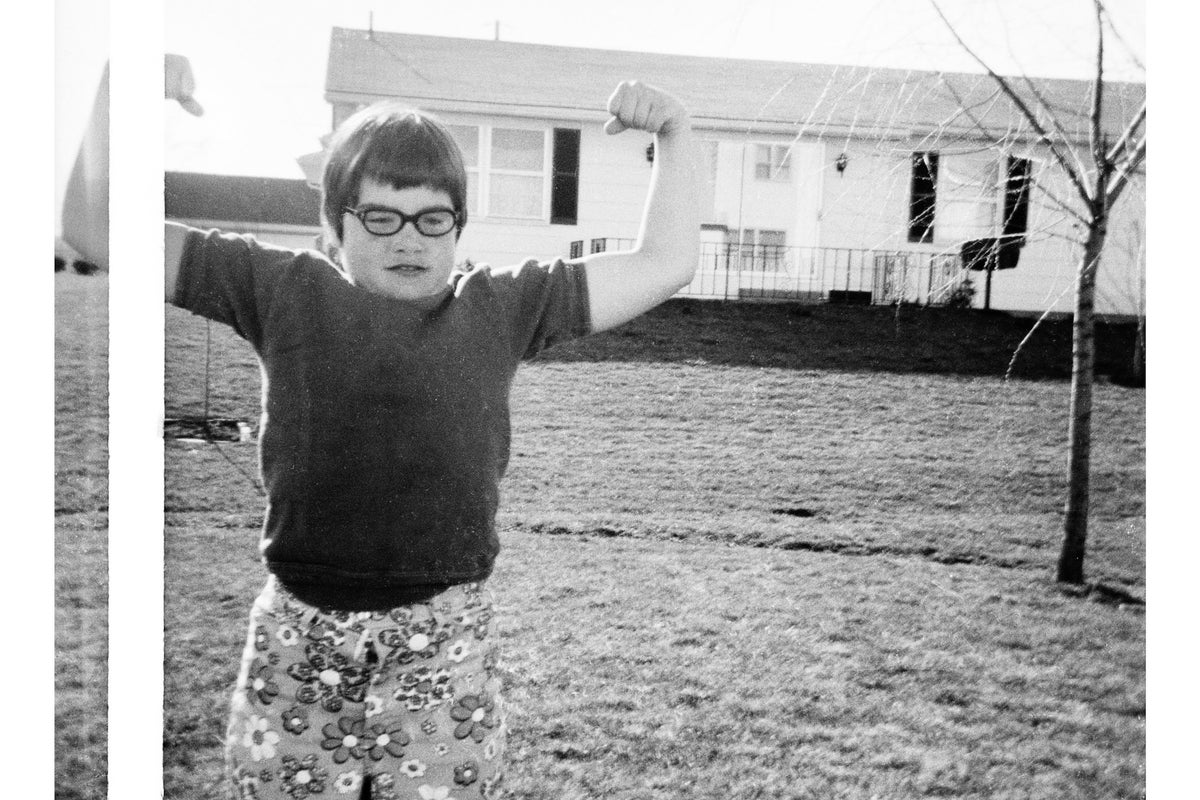
Exploring Subcultures Through the Lens of Catherine Opie
Catherine Opie's photographic work has long served as a bridge between diverse subcultures and mainstream society. With a career spanning over three decades, Opie's ability to capture the essence of marginalized communities has not only brought visibility to these groups but has also sparked conversations about identity, belonging, and the human experience. Her latest exhibition, "To Be Seen," showcases a collection of portraits that evoke a sense of warmth and emotional depth, challenging viewers to reconsider preconceived notions of identity and community.
The Evolution of Portraiture in Contemporary Art
Opie's work stands out in the realm of contemporary portraiture, where traditional methods often fall short of encapsulating the complexities of modern identity. Her approach combines technical skill with a deep understanding of her subjects, resulting in images that are both aesthetically striking and profoundly empathetic. The exhibition features a range of portraits, from surfers basking under the Californian sun to members of LA's leather dyke scene, each image narrating its own story while contributing to a larger dialogue about acceptance and visibility.
Economic Implications of Artistic Visibility
The impact of Opie's work extends beyond the art world; it also resonates within the broader economic landscape. As the conversation around representation and diversity in media gains momentum, Opie's portraits serve as a reminder of the purchasing power of underrepresented groups. By showcasing the vibrancy and diversity of these subcultures, Opie not only elevates their narratives but also highlights their economic significance. Brands and businesses increasingly recognize the value of appealing to diverse audiences, and Opie's work acts as a catalyst for this shift.
Art as a Reflection of Societal Change
In an era marked by division and polarization, Opie's portraits offer a counter-narrative that emphasizes connection and understanding. Her ability to portray individuals from various subcultures with dignity and respect reflects a broader societal yearning for inclusivity. As the art market continues to evolve, the enduring relevance of Opie's work suggests a growing appetite for art that challenges the status quo and prompts critical discussions about identity and representation.
The Financial Landscape of Contemporary Photography
As we examine the financial dynamics surrounding contemporary photography, Opie's work highlights the increasing value placed on artists who engage with social issues. Collectors and investors are increasingly drawn to pieces that not only resonate emotionally but also possess a strong narrative quality. This trend signals a shift in the art market, where the stories behind the work are becoming as important as the artwork itself. Opie's lasting influence on the genre positions her as a key figure in this evolving landscape, potentially impacting the future valuation of similar works.
The Role of Art Institutions in Promoting Diversity
Art institutions have a pivotal role in promoting diverse voices and narratives within the art world. Exhibitions like "To Be Seen" not only celebrate the artistic contributions of figures like Opie but also serve as platforms for broader societal change. As galleries and museums increasingly curate shows that highlight underrepresented artists, they