


Introduction to Skynest: A Revolutionary Concept in Air Travel
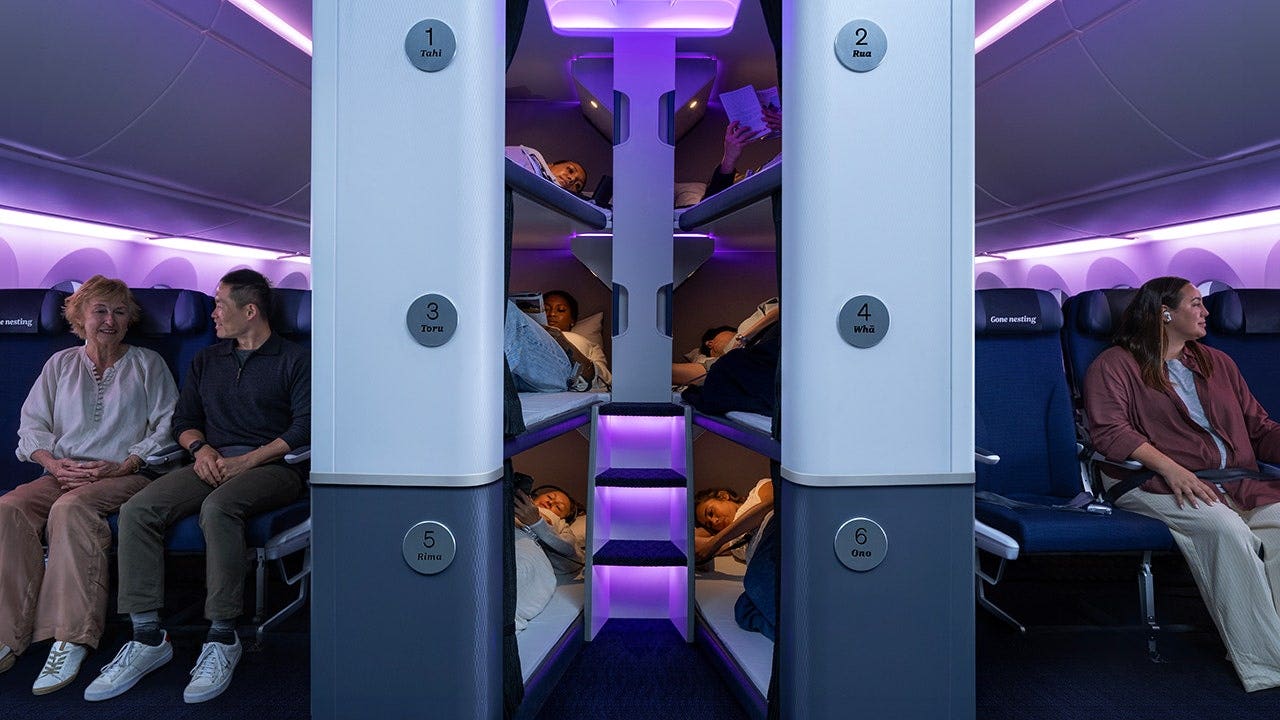
Air New Zealand has made headlines with the announcement of its innovative Skynest, a groundbreaking sleeping pod designed for economy travelers. This first-of-its-kind lie-flat sleeping arrangement aims to enhance comfort during long-haul flights, particularly on the airline's most extended international routes. However, the introduction of Skynest has sparked a wave of mixed reactions among travelers, industry analysts, and financial experts alike. As airlines continue to grapple with the balance between passenger comfort and operational costs, Skynest represents a bold move that could redefine air travel.
The Concept Behind Skynest: Addressing Passenger Needs
Skynest is designed to address one of the most significant pain points for economy passengers: sleep quality. With the increasing length of international flights, the demand for better sleeping options in economy class has never been more pressing. Air New Zealand's Skynest features stacked bunk beds that allow travelers to lie flat, a significant improvement over traditional seating arrangements. Each pod is equipped with a mattress, bedding, and privacy curtains, providing a semblance of a personal space in the typically cramped economy cabin.
The airline's decision to innovate in this space comes at a time when travelers are more discerning about their flying experiences. As air travel rebounds post-pandemic, airlines are under pressure to offer enhanced services that justify ticket prices. The Skynest initiative is a strategic move to attract budget-conscious travelers seeking a more comfortable flying experience without the premium price tag associated with business class.
Mixed Reactions from Travelers and Industry Experts
Industry experts are divided on the long-term viability of Skynest. Some analysts believe that the introduction of sleeping pods could set a new standard for economy travel, encouraging other airlines to follow suit. This could lead to increased competition within the industry, ultimately benefiting consumers with more choices and better services. Conversely, critics argue that the concept may not resonate with all travelers, particularly those who prioritize cost over comfort.
Financial Implications for Air New Zealand
The launch of Skynest is not just a customer service initiative; it is also a calculated financial strategy. Air New Zealand is positioning itself to capture a segment of the market that seeks enhanced comfort without the steep prices typically associated with premium seating. By introducing Skynest, the airline aims to differentiate itself from competitors and potentially increase its market share in the trans-Pacific travel sector.
However, the financial implications of Skynest are multifaceted. The cost of developing and implementing such a product is substantial, and there are concerns about whether the revenue generated from Skynest will outweigh the initial investment. Analysts will be closely monitoring passenger uptake and the overall impact on the airline's financial performance as the pods are rolled out on select routes.
Operational Challenges Ahead
While Skynest presents a novel solution for enhancing passenger comfort, the operational challenges it introduces cannot be overlooked. The integration of sleeping pods into existing aircraft layouts requires careful planning and execution. Airlines must consider factors such as weight distribution, safety regulations, and the overall passenger experience when designing the cabin layout.
Furthermore, the introduction of Skynest may necessitate additional training for cabin crew, ensuring that they can efficiently manage the new sleeping arrangements while maintaining a high level of service. Air New Zealand will need to navigate these operational hurdles to ensure a successful rollout of Skynest, as any missteps could detract from the overall passenger experience and impact the airline's reputation.
Market Response and Competitive Landscape
The airline industry is notoriously competitive, and the launch of Skynest could provoke responses from other carriers. Airlines around the globe are continually looking for ways to enhance their offerings and attract more customers, particularly as travel demand rebounds. If Skynest proves successful, it could prompt other airlines to explore similar innovations in economy class seating.
Competitors may respond by investing in their own comfort-enhancing solutions or by adjusting their pricing strategies to remain competitive. This could lead to a broader shift in the market, with airlines reevaluating their economy class offerings to meet evolving consumer expectations. The competitive landscape could become increasingly dynamic as airlines jockey for position in a recovering travel market.
Consumer Trends and the Future of Air Travel
The introduction of Skynest reflects a broader trend in consumer preferences toward comfort and convenience in air travel. As travelers become more selective about their flying experiences, airlines must adapt to meet these changing demands. The success of Skynest may hinge on its ability to resonate with a diverse range of passengers, from budget travelers to those seeking a more premium experience without the associated costs.
Looking ahead, the future of air travel may involve a greater emphasis on personalized experiences, with airlines leveraging technology and innovation to enhance passenger comfort. The Skynest initiative could serve as a catalyst for other airlines to explore unique offerings, ultimately shaping the way travelers perceive economy class flying.
Conclusion: A Pivotal Moment for Air New Zealand
Air New Zealand's introduction of Skynest represents a pivotal moment in the airline's history and the broader landscape of air travel. While the initiative has garnered both praise and skepticism, it underscores the importance of innovation in an industry that is constantly evolving. As travelers seek more comfortable and enjoyable flying experiences, Skynest may pave the way for a new era in economy class travel.
As Air New Zealand prepares to launch this ambitious project, the airline will need to carefully monitor passenger feedback and financial performance to ensure that Skynest meets its objectives. The coming months will be crucial in determining whether this bold innovation will be embraced by travelers or fade into the background of airline offerings. Regardless of the outcome, Sk